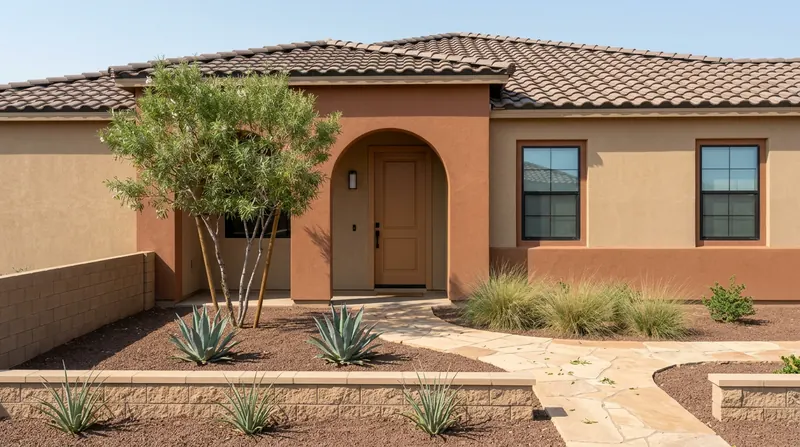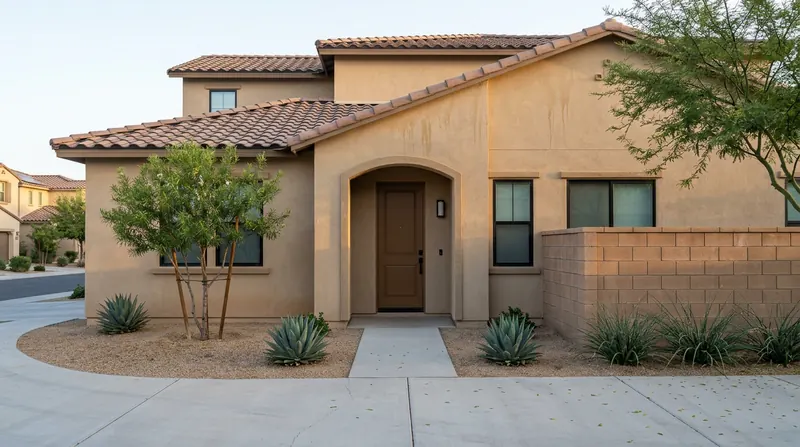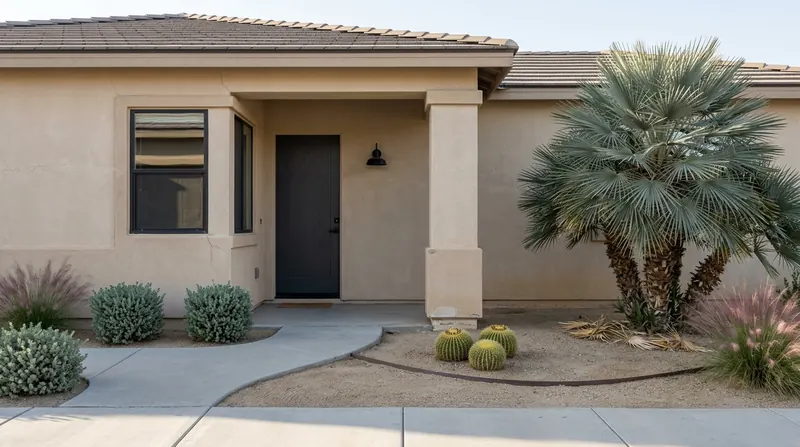

Buying your first home in Las Vegas can feel exciting and overwhelming at the same time. You want to make a smart move, stay within budget, and avoid costly mistakes, especially in a market that is changing. The good news is that today’s Las Vegas market gives many first-time buyers more choices and a bit more breathing room than the ultra-competitive years of the recent past. In this guide, you’ll learn what the current market looks like, how to think about financing, and how to build a strong offer without giving up the protections that matter most. Let’s dive in.
Las Vegas market right now
If you are entering the Las Vegas market for the first time, the headline is simple: there is more inventory than many buyers saw in recent years. In March 2026, Las Vegas REALTORS® data reported by FOX5 showed a median sale price of $480,000 for existing single-family homes in Southern Nevada, with 6,456 single-family homes listed without offers and 2,568 condos and townhomes listed without offers.
That matters because more available homes can give you more time to compare options and make a thoughtful decision. The same report noted that 71.5% of existing homes sold within 60 days, and the March sales pace equaled more than a three-month housing supply. That is very different from a market where nearly everything disappears right away.
A month earlier, Las Vegas REALTORS® data summarized by Nevada Business Magazine pointed in the same direction. The report cited slower sales, lower prices, and rising inventory as signs of a buyer’s market, while also noting that cash transactions still made up 26.3% of local sales.
The practical takeaway is that you may have more room to plan and negotiate than buyers had in 2021 or 2022. At the same time, well-priced homes can still move quickly, and cash buyers are still active. So the market may feel more balanced, but preparation still matters.
What first-time buyers should focus on
When the market offers more inventory, it is easy to think you can wait forever for the perfect home. In reality, a better strategy is to know your budget, understand your financing, and be ready to act when the right property appears.
Your first goal should be affordability, not just qualification. The Consumer Financial Protection Bureau homebuying tools recommend comparing official loan offers and matching the loan to a monthly payment you can comfortably handle. That is a much better starting point than chasing the maximum amount a lender says you can borrow.
You should also plan for more than the down payment. According to the CFPB’s guidance on preparing your finances, closing costs typically run about 2% to 5% of the purchase price, separate from your down payment.
Loan options for first-time buyers
Many first-time buyers assume they need 20% down. That is one of the most common myths in real estate, and it is simply not true.
FHA loans
FHA loans can allow down payments as low as 3.5% and are often more flexible on credit than many conventional options. The tradeoff is that mortgage insurance is required, so you will want to weigh the lower upfront cash need against the long-term monthly cost.
Conventional low-down-payment loans
Some conventional programs also work well for first-time buyers. Fannie Mae’s HomeReady program and Freddie Mac’s Home Possible program allow down payments as low as 3%, and these programs may allow eligible gift or grant funds for down payment and closing costs.
HomeReady also notes that mortgage insurance can be canceled once you reach 20% equity. That can make conventional financing attractive if you qualify and want more flexibility over time.
VA-backed loans
If you are an eligible borrower, VA-backed purchase loans can allow no down payment. The loan still comes through a private lender, and you will need a Certificate of Eligibility, but for qualified buyers this can be one of the most powerful paths to homeownership.
Nevada help for first-time buyers
If you are buying in Clark County, state-level assistance may also help bridge the gap between your savings and your total cash needed to close. The Nevada Housing Division’s Home Is Possible for First-Time Homebuyers program offers interest-free down-payment assistance of up to 4% of the total loan amount that can be used toward down payment and closing costs.
The program requires a minimum 640 credit score, primary-residence occupancy, standard underwriting, and completion of a homebuyer education course. Nevada Housing Division also offers a free online homebuyer education course, which is required for borrowers using Home Is Possible.
Clark County program limits posted by Nevada Housing Division list a maximum purchase price of $544,232 and maximum household income of $102,000 for households of two or fewer people or $117,300 for households of three or more people, with the note that some areas within the county may have higher income limits. You can review those details on the posted income and purchase price limits page.
How to build a smart budget
A strong first-home budget should include more than principal and interest. You should also think about property taxes, homeowners insurance, mortgage insurance if applicable, HOA dues if applicable, utilities, and maintenance.
In Las Vegas, this matters even more if you are comparing a single-family home with a condo or townhome. A condo may lower your purchase price, but the monthly HOA dues can change your total housing cost in a big way. Looking at the full monthly picture will help you compare properties more clearly.
It also helps to keep a reserve after closing. Buying a home often comes with moving costs, utility setup, basic repairs, and everyday purchases you did not fully expect.
Making an offer in a more balanced market
More inventory can create more negotiating room, but that does not mean every seller will accept a low offer. A better approach is to make your offer feel strong, clean, and realistic.
Start with a solid preapproval and a clear price ceiling. If cash buyers are still making up more than one-quarter of sales, as Nevada Business Magazine reported from LVR data, financed buyers need to compete by being organized and responsive.
The CFPB recommends making purchase offers contingent on financing and a satisfactory inspection. Those protections matter because they help you manage risk if your loan hits delays or the property has problems you did not see during a showing.
You may also have room to negotiate seller credits in some situations, especially when a listing has been sitting longer or the seller wants a smoother path to closing. Seller credits can help offset closing costs, which can make a real difference when cash is tight.
Why inspections still matter
In a first purchase, it is tempting to think waiving protections will make your offer more competitive. Usually, that is not the best move.
The CFPB’s inspection guidance makes a clear distinction between an inspection and an appraisal. The appraisal helps the lender evaluate value, while the inspection is for your protection. They are not the same thing.
If your contract is contingent on a satisfactory inspection, you may be able to cancel without penalty if the results are not acceptable. If the inspection reveals issues, you may also be able to negotiate repairs or credits.
Condos and townhomes need extra review
For many first-time buyers, condos and townhomes can be an important entry point into the Las Vegas market. They may offer a lower purchase price than some single-family homes, but they also come with community documents and HOA rules that deserve careful review.
Under Nevada law on common-interest communities, the seller must provide a resale package at the owner’s expense, and the buyer may cancel the contract until midnight of the fifth calendar day after receiving it. That means your review period is not just a formality. It is your chance to understand fees, rules, and the overall structure of the community.
If you are considering a condo or townhome, make sure you leave enough time in your contract timeline to review the HOA package carefully. This step is easy to underestimate, but it can shape your comfort with the purchase.
Disclosures and closing steps
Nevada also has specific disclosure rules that matter for buyers. Under Nevada law on residential property disclosure, the seller must complete and serve the disclosure form at least 10 days before the property is conveyed, and must update the buyer if a new defect is discovered before closing.
As you get closer to the finish line, pay close attention to your final loan paperwork. The CFPB explains that lenders must provide the Closing Disclosure at least three business days before closing.
Compare that document with your Loan Estimate and review items such as origination charges, points, taxes and government fees, prepaids, initial escrow payments, and lender credits. Since some closing services can be shopped, the CFPB also recommends reviewing title and related closing costs carefully.
A practical first-time buyer plan
If you want to approach the Las Vegas market with confidence, keep your plan simple and disciplined.
- Review your monthly budget before you shop.
- Compare real loan offers, not just advertised rates.
- Explore whether Nevada assistance programs fit your situation.
- Get fully preapproved before touring seriously.
- Stay open to different property types and neighborhoods.
- Keep inspection and financing protections in place.
- Review HOA documents carefully for condos and townhomes.
- Double-check closing costs and final paperwork before signing.
The current Las Vegas market may offer more opportunity than many first-time buyers expect, but good outcomes still come from clear strategy. If you want patient, education-first guidance as you compare neighborhoods, financing paths, and offer options, Casanova Realty is here to help you move forward with confidence.
FAQs
Do first-time homebuyers in Las Vegas need 20% down?
- No. FHA loans can allow 3.5% down, some conventional programs can allow 3% down, and VA-backed loans can allow no down payment for eligible borrowers.
How much cash should first-time buyers plan for in Las Vegas?
- You should usually plan for your down payment plus closing costs, which the CFPB says typically run about 2% to 5% of the purchase price.
Should first-time buyers waive the home inspection in Las Vegas?
- Usually not. The CFPB says the inspection is for your protection, and an inspection contingency can allow you to cancel without penalty if the results are unsatisfactory.
Are condos and townhomes different for Las Vegas first-time buyers?
- Yes. In Nevada common-interest communities, the resale package and five-day cancellation period make HOA review an important part of the process.
Is the Las Vegas market better for buyers now than in recent years?
- Current 2026 resale data shows rising inventory, a slight year-over-year dip in median single-family price, and a pace that suggests more buyer breathing room than the ultra-tight market of recent years.