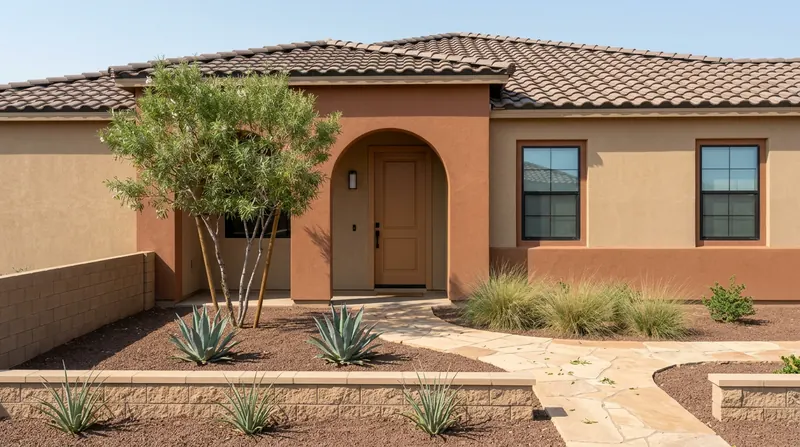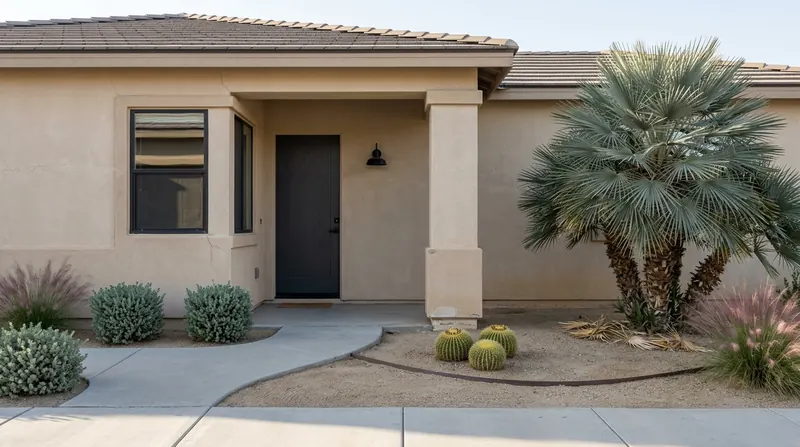
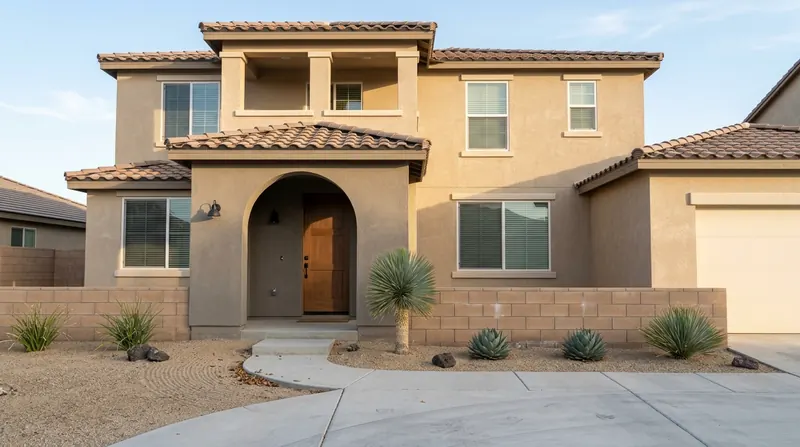
If you are deciding between a brand-new home and a resale home in North Las Vegas, you are not alone. It can be tough to tell which option really gives you the better value once you look past the model-home shine or the charm of an existing neighborhood. The good news is that today’s North Las Vegas market gives you room to compare carefully, and this guide will help you weigh price, monthly cost, maintenance, HOA details, and long-term fit. Let’s dive in.
North Las Vegas Market Snapshot
North Las Vegas is not behaving like an overheated seller's market right now. Spring 2026 market data shows a median sale price around $410,000 according to Redfin, while Zillow places the typical home value at $407,146 and the City of North Las Vegas reported a 2024 median home price of $399,675.
Homes are also taking longer to move than they would in a fast-paced market. Redfin reports about 51 days to sell, Zillow shows homes pending in about 26 days, and Realtor.com labels North Las Vegas a buyer's market with about 46 median days on market and a 100% sale-to-list ratio.
That matters if you are choosing between new construction and resale. You may not face the kind of pressure where every home gets bid up immediately, but pricing, condition, and location still matter a lot.
What New Construction Offers
New construction in North Las Vegas covers a wide range of price points and home types. Current examples in the market include townhomes and single-family homes, with D.R. Horton’s Kalea Trails starting from $313,990, Heartland Trails at Tule Springs from $332,756, and KB Home’s Briscoe from $379,990.
One big appeal of a new home is modern design and lower early maintenance. Builders in North Las Vegas commonly advertise features like quartz countertops, stainless steel appliances, smart-home systems, gated access, pools, and HOA-managed amenities.
Customization can also be a major plus. KB Home says buyers can personalize floor plans, exterior style, and design choices, with personalized homes typically delivered in about 4 to 5 months.
Some builders focus instead on bundled features. Lennar uses an “Everything’s Included” model, which means many features buyers might expect to upgrade elsewhere are positioned as included in the purchase price.
New Construction Costs Can Shift
The biggest mistake buyers make with new construction is comparing only the advertised starting price. Builder pricing often begins with a base figure, but your final cost may rise once you add homesite premiums, optional upgrades, association fees, and financing choices.
KB Home states that base prices do not include optional features, upgrades, homesite premiums, or association fees. D.R. Horton also notes that pricing, included features, terms, and availability can change.
That is why your real comparison should be based on the complete monthly payment and total cash needed to close. A lower headline price does not always mean a lower overall cost.
Builder incentives can also affect the math. D.R. Horton notes special interest rates on certain homes and up to $1,500 toward closing costs and options in Las Vegas communities for eligible groups.
Warranties and Early Maintenance
For many buyers, warranty coverage is one of the strongest reasons to choose new construction. A newly built home usually means the roof, systems, finishes, and appliances are all new, which can reduce surprise repair costs in the first few years.
KB Home states that its limited warranty includes 1 year for workmanship and materials, 2 years for mechanical systems, and 10 years for structural coverage. Lennar states a similar structure with 1 year for workmanship and materials, 2 years for systems, and 10 years for structural elements.
That does not mean a new home will never need attention. It does mean the repair-risk picture is often more predictable at the beginning compared with an older home.
What Resale Homes Offer
Resale homes give you something new construction cannot: the ability to evaluate the actual home, lot, and condition on day one. You are not buying from a floor plan or a rendering. You can see the layout, the finishes, the street placement, and the surrounding neighborhood pattern before you commit.
Pricing is often more straightforward too. Instead of starting from a base price and adding selections, resale pricing is usually about the home as it exists today, along with any needed repairs, seller concessions, and how the asking price compares with recent comparable sales.
In North Las Vegas, that can create useful negotiation opportunities. Realtor.com reports an average 100% sale-to-list ratio, while Redfin says homes have averaged about 1% below list price in recent months, which suggests some room to negotiate depending on the property.
Resale Homes Need a Closer Condition Review
The tradeoff with resale is variation. Some homes may be well-maintained and move-in ready, while others may come with aging roofs, older plumbing, outdated wiring, or deferred maintenance.
The City of North Las Vegas housing report adds important local context. In the Urban Core, about 50% of housing units were built between 1950 and 1979 and may need rehabilitation or replacement, while housing from 1990 to 2009 is described as average to good condition.
That does not mean older resale homes are bad buys. It means you should review inspections carefully and budget for likely maintenance based on the home’s age and current condition.
HOA Costs and Disclosure Matter
Whether you choose new construction or resale, HOA review can make a big difference in your monthly costs and ownership experience. Many newer communities in North Las Vegas include HOA dues tied to amenities such as pools, parks, trails, gated access, and community maintenance.
For example, Lennar lists approximate monthly HOA fees of $207 in Heritage Square and $172 in The Montgomery, with internet service included in The Montgomery’s HOA cost. Those numbers show why you should compare monthly ownership cost, not just purchase price.
On the resale side, HOA due diligence is especially important. Nevada’s Real Estate Division says a resale package in a common-interest community remains effective for 90 days and must be furnished within 10 calendar days after a written request.
That resale package includes the CC&Rs, bylaws, rules and regulations, HOA budget, year-to-date financials with reserve information, and a certificate showing current fees, assessments, fines, late charges, and other costs tied to the property. If you are buying in an HOA community, reading that package closely is a must.
New vs. Resale at a Glance
| Factor | New Construction | Resale Home |
|---|---|---|
| Price structure | Starts with a base price that may rise with upgrades, lot premiums, HOA dues, and financing choices | Usually reflects the home as it exists today |
| Maintenance | Lower early repair risk because systems and finishes are new | Varies more by age, upkeep, and renovation history |
| Customization | More ability to choose layout and finishes | Limited customization up front, but you see the actual home |
| HOA pattern | Common in newer communities with amenities | May have no HOA, low HOA, or higher HOA depending on the subdivision |
| Negotiation style | Often tied to builder terms, incentives, and inventory | Often centered on price, repairs, concessions, and condition |
Which Option Fits Your Goals?
If you want modern finishes, a more predictable maintenance picture, and builder warranty coverage, new construction may fit your goals better. It can also make sense if you value personalization and are comfortable watching the final price carefully as upgrades and fees are added.
If you want to judge the exact home before you buy, compare it directly to local comps, and possibly negotiate based on condition, resale may be the stronger option. In a buyer-favorable market like today’s North Las Vegas market, that flexibility can matter.
There is no universal winner. The better choice usually comes down to your budget, tolerance for future repairs, comfort with HOA obligations, and how much you value customization versus certainty.
A smart strategy is to compare each option using the same checklist:
- Final monthly payment
- Cash needed to close
- HOA dues and what they cover
- Expected maintenance in the first 3 to 5 years
- Warranty coverage, if any
- Condition and inspection findings
- Negotiation room or builder incentives
When you look at the full picture, the decision becomes much clearer.
If you want help comparing a specific builder home against a resale option in North Las Vegas, Casanova Realty can help you break down the numbers and choose the path that fits your goals.
FAQs
How does new construction pricing work in North Las Vegas?
- New construction usually starts with a base price, but your final cost may increase with upgrades, lot premiums, HOA dues, and financing choices.
Are resale homes cheaper than new homes in North Las Vegas?
- Not always. Resale pricing is often more direct, but the better value depends on condition, repair needs, HOA costs, and the full monthly payment.
Do new homes in North Las Vegas usually have HOA fees?
- Many newer communities do have HOA dues, and some include amenities such as pools, gated access, trails, parks, or bundled services like internet.
What should buyers check on a North Las Vegas resale home?
- You should pay close attention to the home’s age, inspection results, major systems, roof condition, and any HOA resale package documents if the property is in a common-interest community.
Is North Las Vegas a buyer's market right now?
- Current market data described in the research shows North Las Vegas is relatively balanced to buyer-favorable, with homes not moving in a frenzy and some negotiation potential depending on the property.