If you are looking for rental deals in North Las Vegas, the numbers can look promising at first glance and confusing a minute later. One rent source shows one figure, another shows something else, and local tax rules can change your cash flow more than you expect. This guide will help you cut through the noise, underwrite deals more clearly, and focus on the details that matter most in North Las Vegas. Let’s dive in.
Why North Las Vegas Gets Investor Attention
North Las Vegas is a growing rental market with a suburban housing mix and real affordability pressure. Census QuickFacts shows a 63.6% owner-occupied housing unit rate, a median household income of $79,542, a median gross rent of $1,705, and a median owner-occupied home value of $404,400 for 2020 through 2024.
Population growth is also part of the story. Census data shows North Las Vegas grew 13.3% from April 1, 2020 to July 1, 2024, which supports household formation and housing demand over time.
The Nevada Housing Division report adds another layer. It estimated a 4.8% renter vacancy rate, found that 55.9% of renters were cost-burdened, and projected that 1,061 additional rental units would be needed between 2024 and 2029. That tells you demand is not just about growth. It is also tied to affordability pressure across the market.
What Property Types Fit This Market
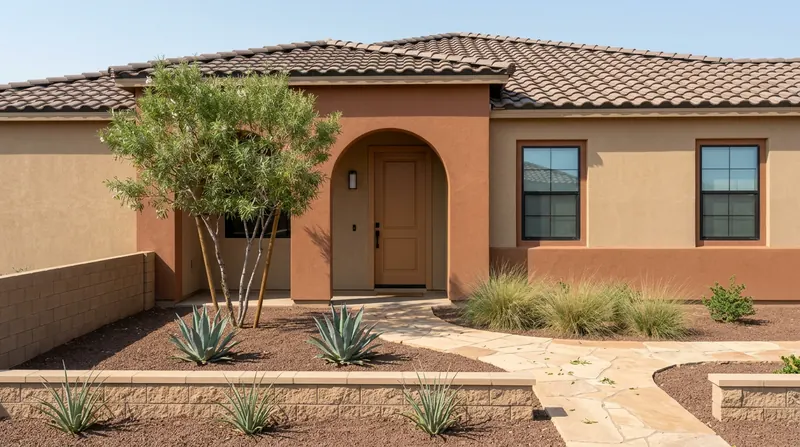
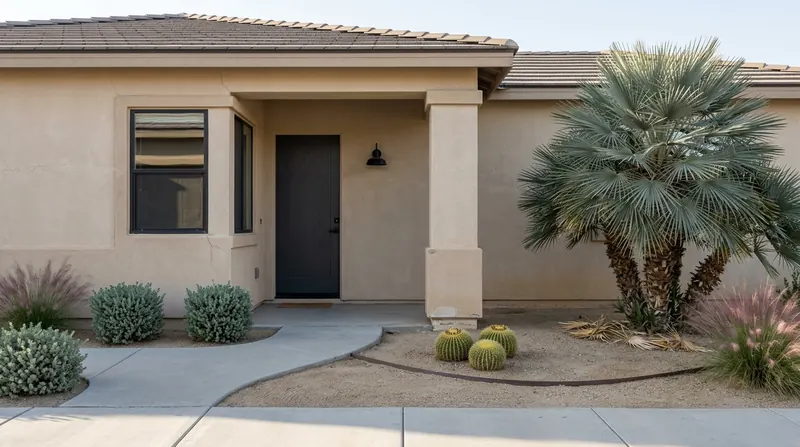
North Las Vegas is still mostly a detached-home market. The Nevada Housing Division reports that 75.4% of occupied housing units are 1-unit detached homes, while smaller shares are attached homes, duplexes, small multifamily properties, and larger apartment buildings.
For many investors, that points to single-family rentals as the most natural starting point. Townhomes and condos can also work, while duplexes, triplexes, fourplexes, and small apartment buildings may offer additional income streams if the numbers and operations make sense.
The age of the housing stock matters too. About 17.7% of occupied units were built in 2010 or later, 63.8% were built between 1990 and 2009, and 18.5% were built in 1980 or earlier. If you are evaluating an older property or a value-add opportunity, reserve planning for maintenance and capital expenses should be part of your deal math from day one.
Start With Rent Comp Data
One of the biggest mistakes investors make is building a model from a single citywide rent number. In North Las Vegas, rent data varies by source and method, so you need to be clear about what number you are using.
As of May 29, 2026, Zillow's rental page shows an average asking rent of $2,050 in North Las Vegas. That same source lists average asking rents of $1,300 for a 1-bedroom, $1,523 for a 2-bedroom, $2,050 for a 3-bedroom, and $2,865 for a 4-bedroom unit.
At the same time, Zillow's separate market trends page shows a ZORI average rent of $1,843 as of April 30, 2026. Census QuickFacts shows a median gross rent of $1,705, while the Nevada housing report shows a median contract rent of $1,508. These numbers are not interchangeable.
Why Rent Sources Differ
Asking rents reflect what landlords or property managers are currently marketing. Survey-based rent figures and broader rent indexes measure different slices of the market and often include existing tenants paying older lease rates.
For underwriting, that means you should use live comparable rentals that match your property’s bedroom count, condition, location, and amenities. A renovated 4-bedroom house and an older 2-bedroom condo should never be underwritten from the same citywide average.
Use a Quick Yield Screen First
Before you spend too much time on a deal, run a simple gross-yield screen. It will not replace full underwriting, but it can help you decide whether a property deserves a closer look.
Using Zillow's average asking rent of $2,050 and Zillow's typical home value of $407,146, the rough gross yield is about 6.0%. Using the Census median gross rent of $1,705 with that same home value, the rough gross yield is about 5.0%.
That range is useful because it shows how much your return outlook can shift based on the rent figure you choose. If your rent assumption is too aggressive, your projected cash flow may fall apart once real expenses are added.
What a Yield Screen Can Tell You
A quick yield calculation can help you:
- Compare one opportunity against another
- Set realistic expectations before deeper analysis
- Spot deals that need too much rent growth to work
- Decide whether a single-family or small multifamily property deserves more review
It cannot tell you whether the deal truly cash flows. For that, you need to underwrite every major expense line.
Know the Local Expense Items
In North Las Vegas, taxes deserve special attention. Clark County states that real property is assessed at 35% of taxable value, and taxable value is generally based on land market value plus replacement cost of improvements, less depreciation. Values are updated annually, and the county uses multiple tax districts rather than one flat countywide rate.
That means you should not assume one tax rate applies to every property in the city. A property’s tax district can materially affect your annual expense load, so it is worth checking early in the process.
Clark County also notes that owner-occupied homes can qualify for a 3% cap, some qualifying rental dwellings may also qualify for a 3% cap, and non-owner occupied property can be capped up to 8%. New construction or a change of use does not qualify for a cap in the current fiscal year.
Nevada also has a real property transfer tax that matters at acquisition. The state says the tax is $1.95 per $500 of value, plus an additional $0.60 per $500 in Clark County, collected at recording. Nevada does not have an individual income tax.
Expenses to Include in Every Deal Model
Your underwriting should include more than mortgage, taxes, and rent. At a minimum, include:
- Property taxes
- Insurance
- HOA dues, if applicable
- Property management
- Routine maintenance
- Capital expenditure reserves
- Vacancy
- Leasing and turnover costs
- Utilities paid by the landlord
A deal that looks good on a rent-to-price ratio alone may not hold up once these costs are added.
Match Strategy to the Property
Buy-and-hold single-family rentals fit the local housing mix well because detached homes dominate the occupied stock. For investors who want broader income streams, duplexes, triplexes, fourplexes, and small apartment buildings can offer diversification across multiple units.
If you are looking at BRRRR or value-add opportunities, the older share of the housing stock may create openings. But there is an important local detail to keep in mind. Clark County’s tax abatement rules mean a rehab, conversion, or change of use can change the tax picture, so you should re-run projected taxes after improvements rather than assuming the seller’s current bill will carry forward.
That one step can save you from a major underwriting miss. A deal that looks solid before rehab may feel very different after reassessed expenses are factored in.
Review HOA Rules on Condos and Townhomes
Condos and townhomes can look attractive on price and yield, but they require extra review. Nevada law allows common-interest communities to enforce rental restrictions, caps, and waivers in some situations.
If you are considering one of these properties, review the HOA documents before you move too far forward. Rental limits can affect your ability to lease the unit now or in the future, which directly affects your exit options and holding strategy.
Understand Nevada Rental Rules
A strong investment plan also depends on knowing the operating rules. Nevada law limits security deposits to three months’ periodic rent, requires 60 days’ written notice for most rent increases, and requires landlords to disclose manager and ownership contact information at or before move-in.
These are not minor details. They affect how you structure lease-up, communicate with tenants, and manage compliance once the property is in service.
If you plan to hold small multifamily property, there is one more local factor to know. The North Las Vegas rental context report notes that owners of duplexes, triplexes, fourplexes, and apartments receive rental-affidavit letters each year to determine whether the property qualifies for the 3% tax cap, so documentation becomes part of the long-term operating plan.
A Practical North Las Vegas Deal Checklist
Before you write an offer, walk through a simple checklist:
- Confirm bedroom-specific rent comps
- Compare asking rents against broader market indicators
- Verify the tax district
- Review current and projected property taxes
- Estimate insurance with current quotes when possible
- Check HOA rules for rental restrictions
- Budget for maintenance and capital expenses
- Stress-test vacancy and turnover assumptions
- Re-run numbers if rehab or change of use is part of the plan
This kind of process fits North Las Vegas especially well because the market has enough demand to attract investors, but enough variation in taxes, rents, and property types to punish loose underwriting.
Why Local Advisory Matters
North Las Vegas is not a market where you want to wing the numbers. Rent measures differ by source, detached homes dominate the inventory, and local tax rules can shift your returns if you do not check the details.
That is where an investor-minded advisor can make a real difference. A careful review of rent comps, tax district, HOA restrictions, rehab scope, and lease-up assumptions before you close can help you move from a rough idea to a more durable investment plan.
If you want help sorting through rental opportunities in North Las Vegas, Casanova Realty offers a practical, education-first approach built for buyers and investors who want clear numbers and a smarter strategy.
FAQs
What makes North Las Vegas attractive for rental investors?
- North Las Vegas combines population growth, a mostly detached-home housing stock, a 4.8% renter vacancy rate, and ongoing affordability pressure that supports rental demand.
What rent number should you use for a North Las Vegas rental deal?
- You should start with live comparable rentals by bedroom count, condition, and location, because asking rents, rent indexes, and survey-based median rents measure different things.
What property types are common in North Las Vegas for investors?
- Single-family homes are the most common occupied housing type, with townhomes, condos, duplexes, triplexes, fourplexes, and small apartment buildings also appearing in the market.
What local tax issue matters when buying a rental in Clark County?
- Clark County uses multiple tax districts and tax-abatement rules that can affect your annual expenses, especially if the property is non-owner occupied, newly built, or changed in use.
What should you check before buying a North Las Vegas condo or townhome rental?
- You should review the HOA documents carefully because Nevada common-interest communities may enforce rental restrictions, caps, and waiver rules.
What Nevada rental rules should North Las Vegas landlords know?
- Nevada limits security deposits to three months’ periodic rent, requires 60 days’ written notice for most rent increases, and requires disclosure of manager and ownership contact information at or before move-in.